The Out There is Right Here: Ian Collings and the Bishop Pine Preserve
June 6–September 19, 2026
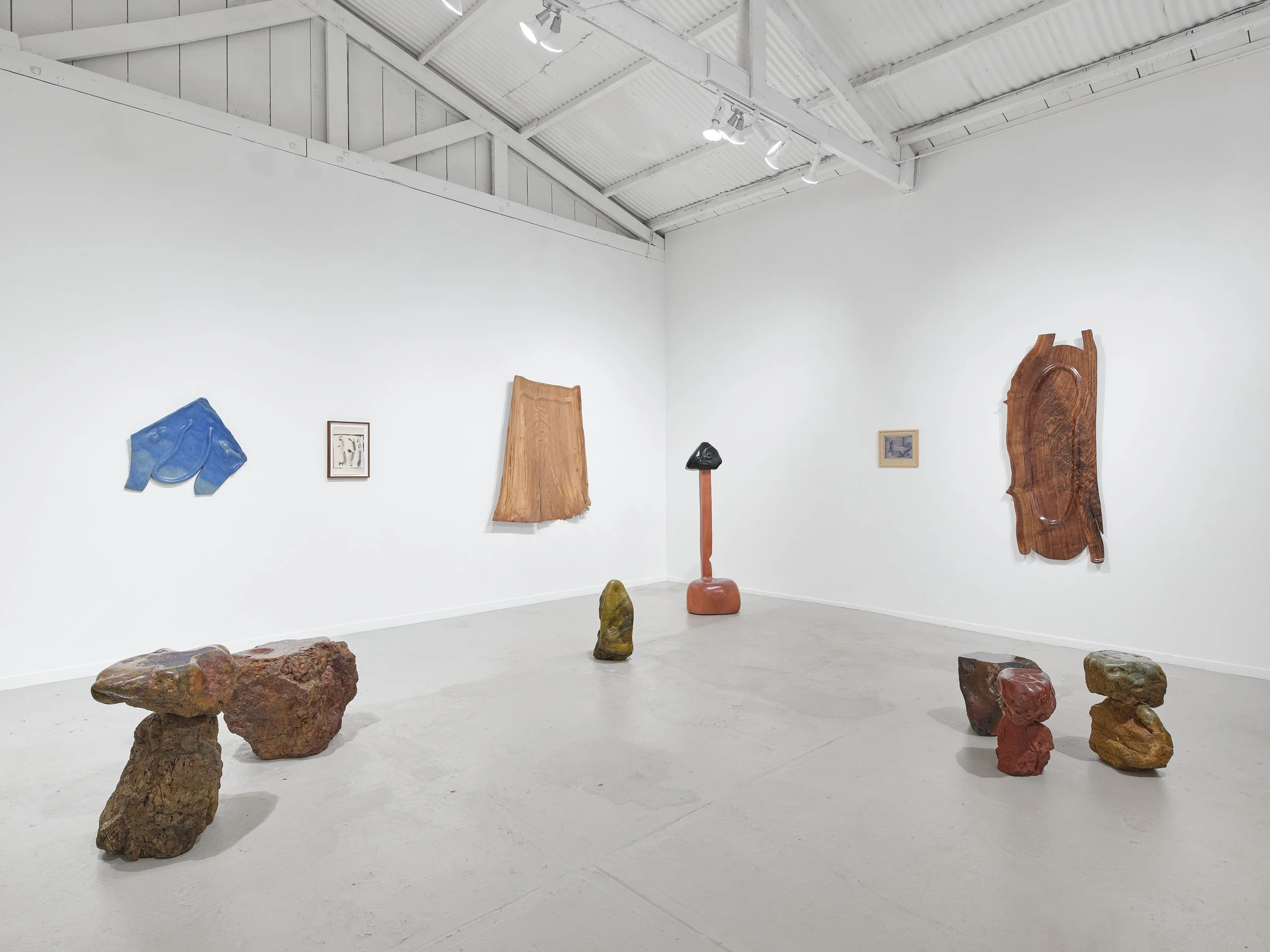
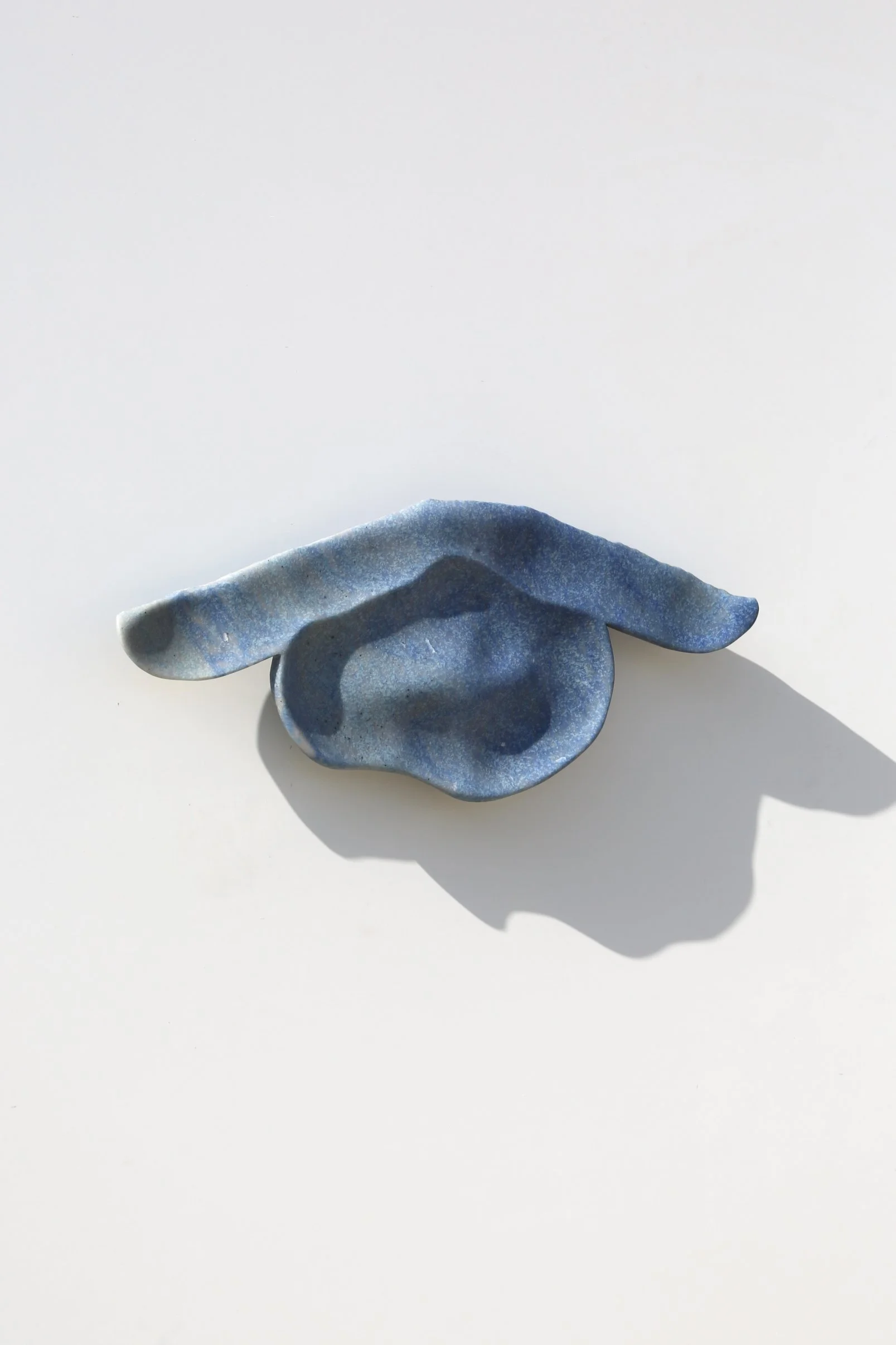
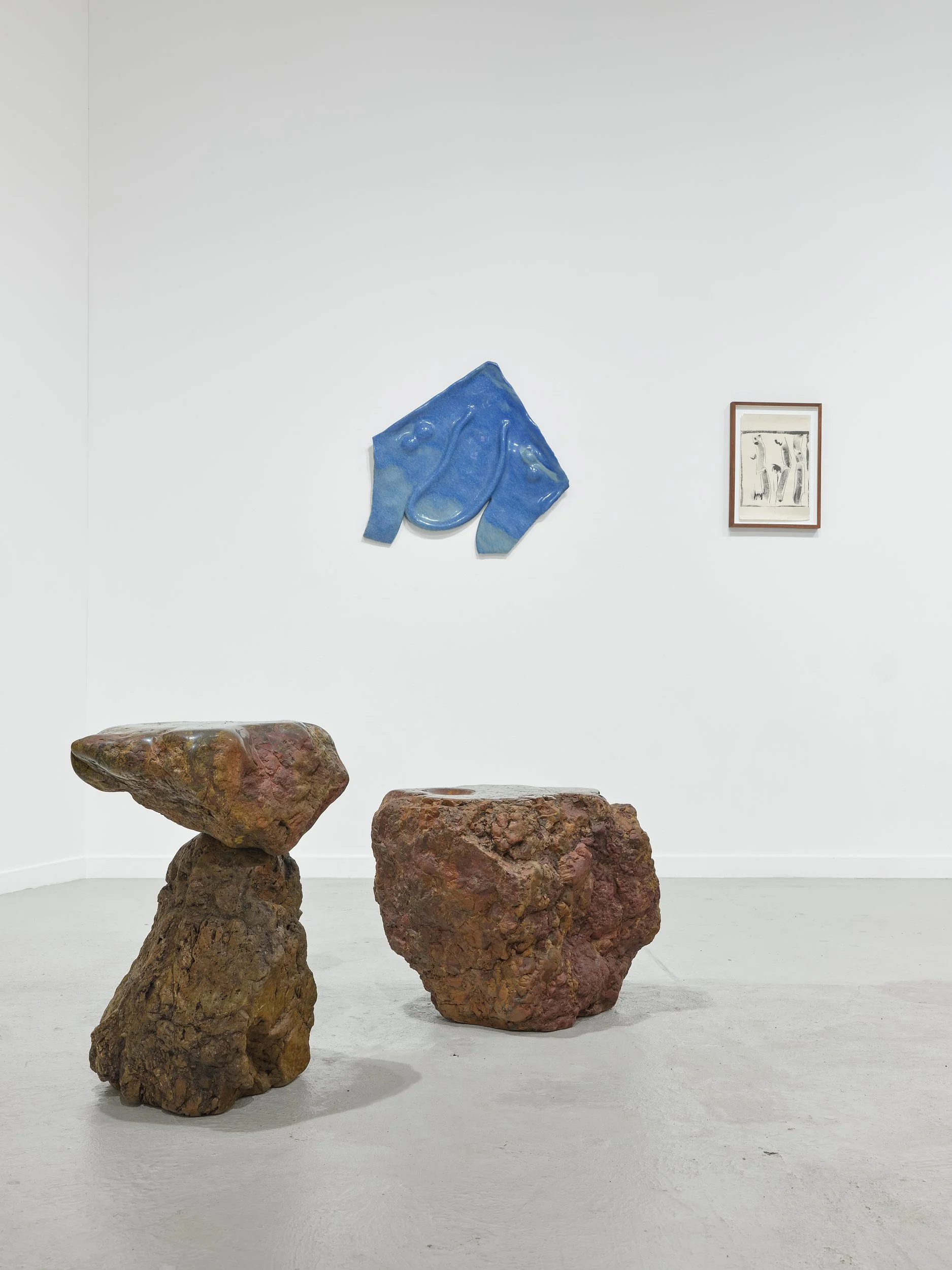
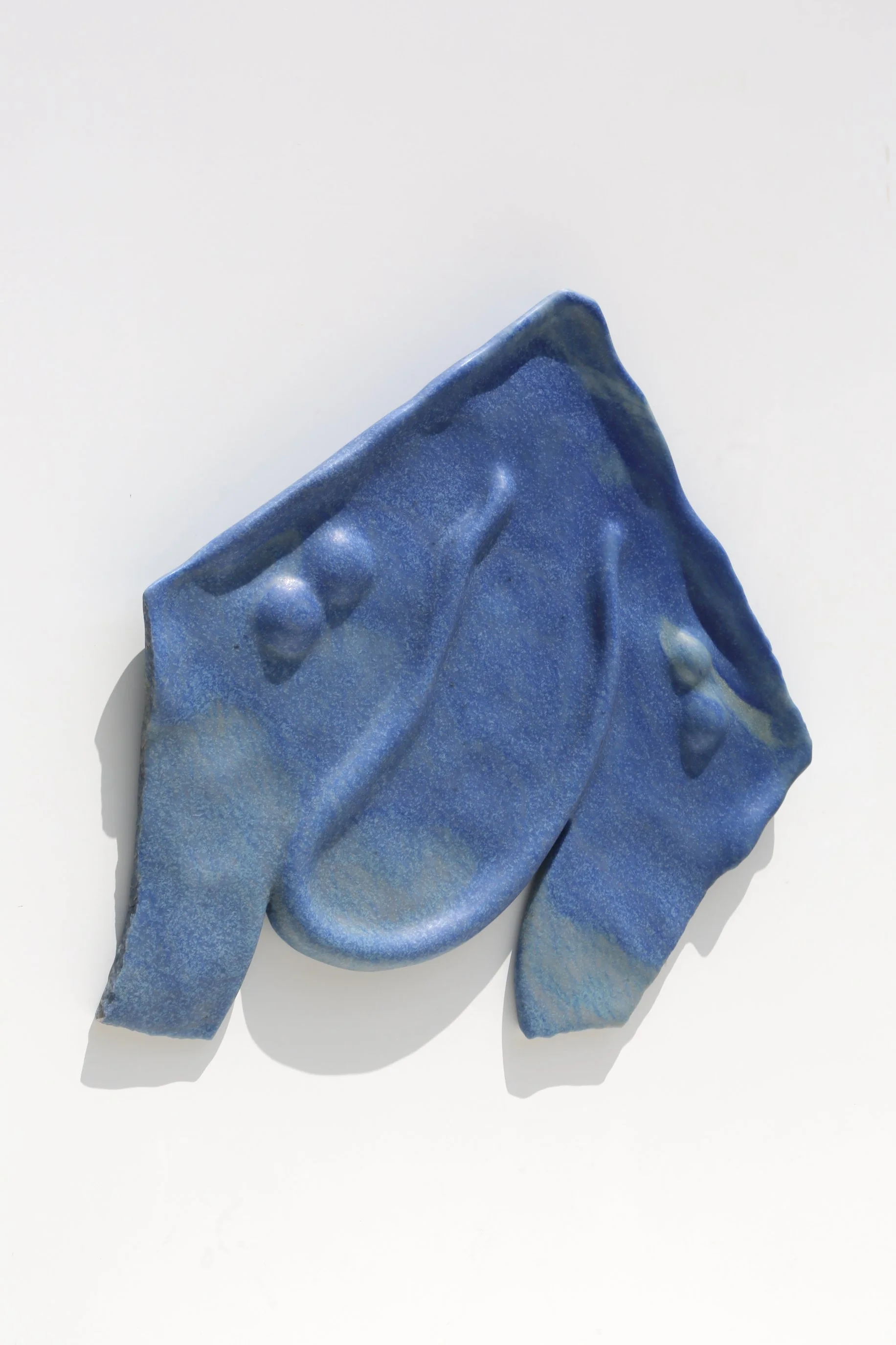
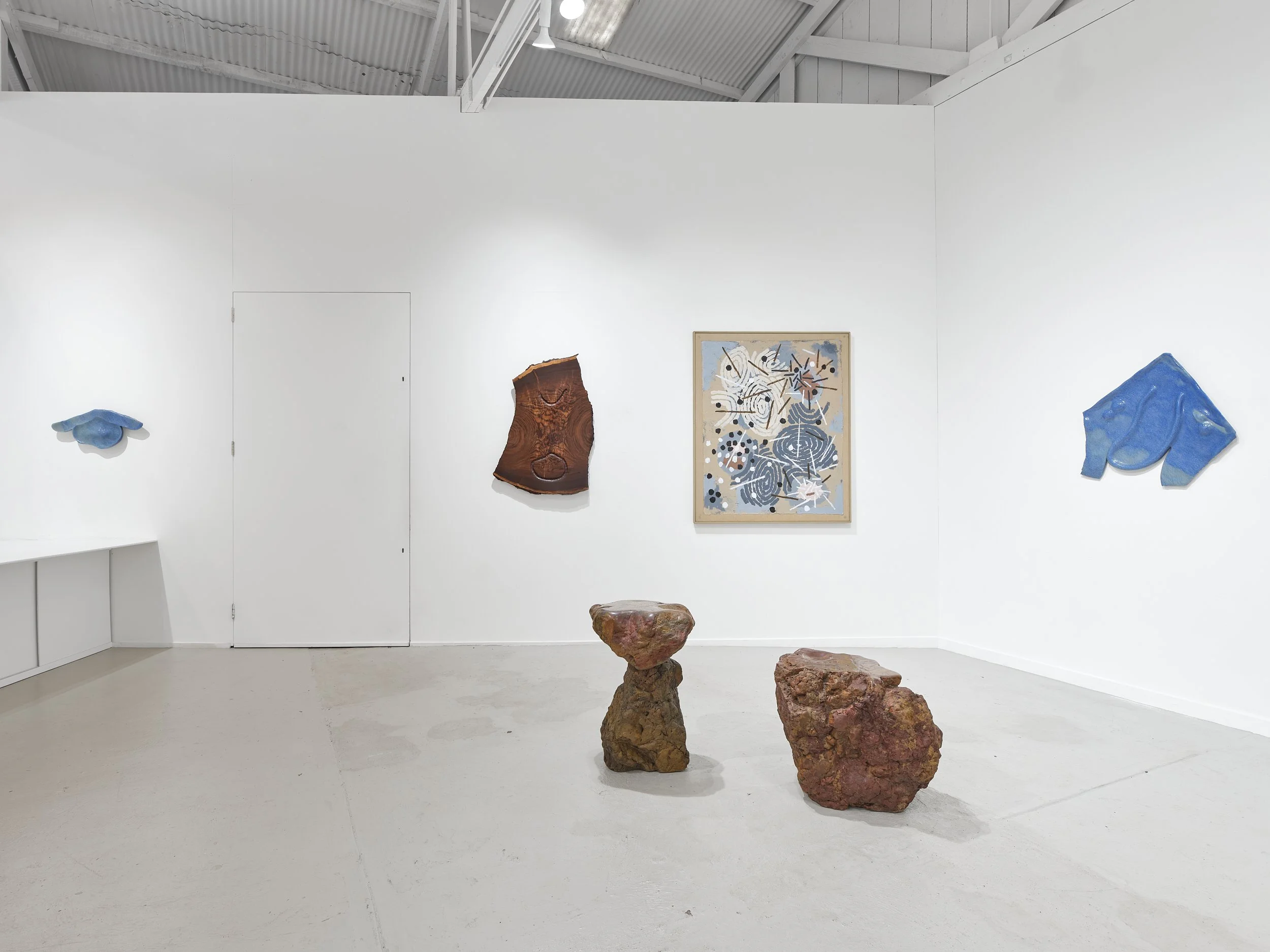
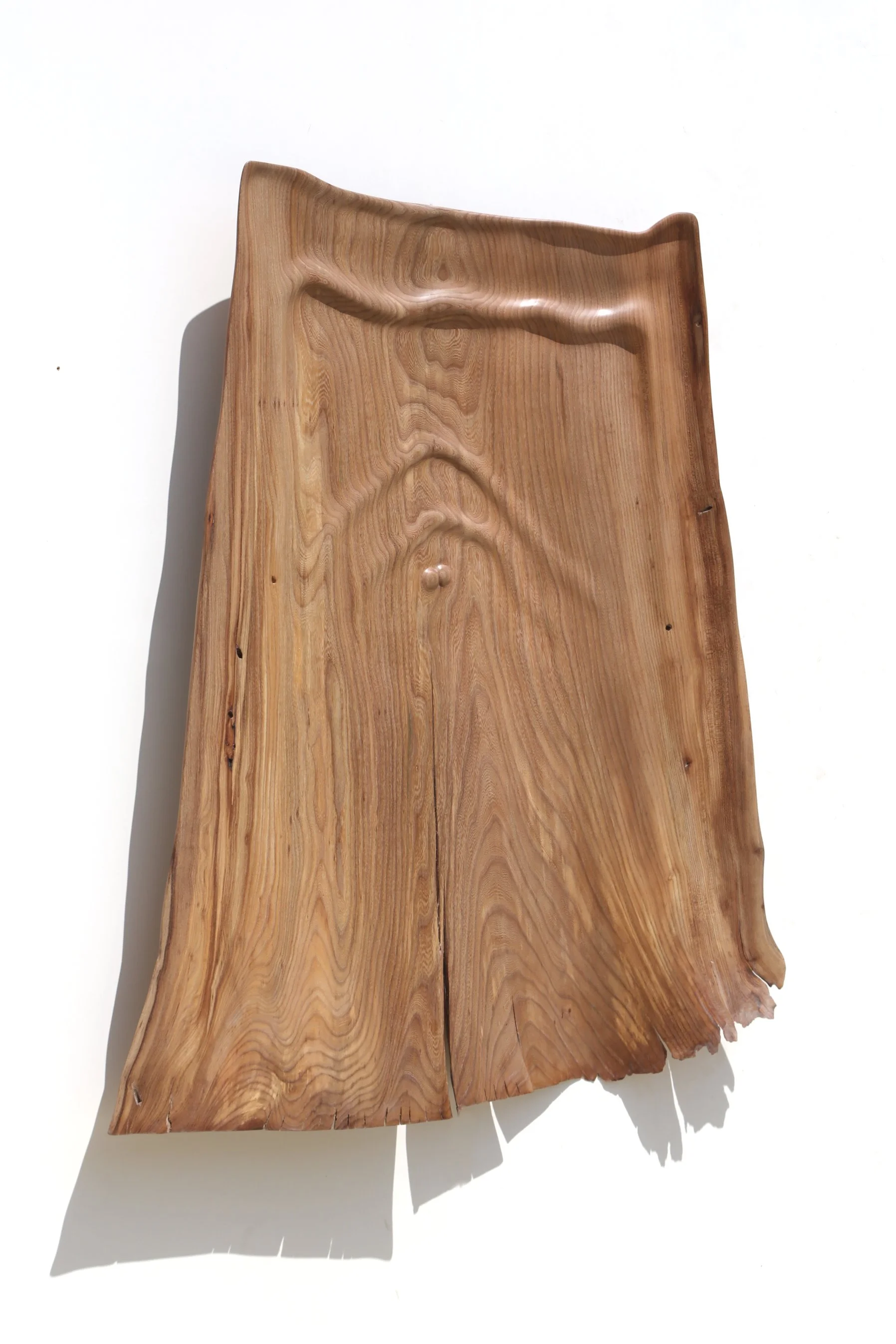
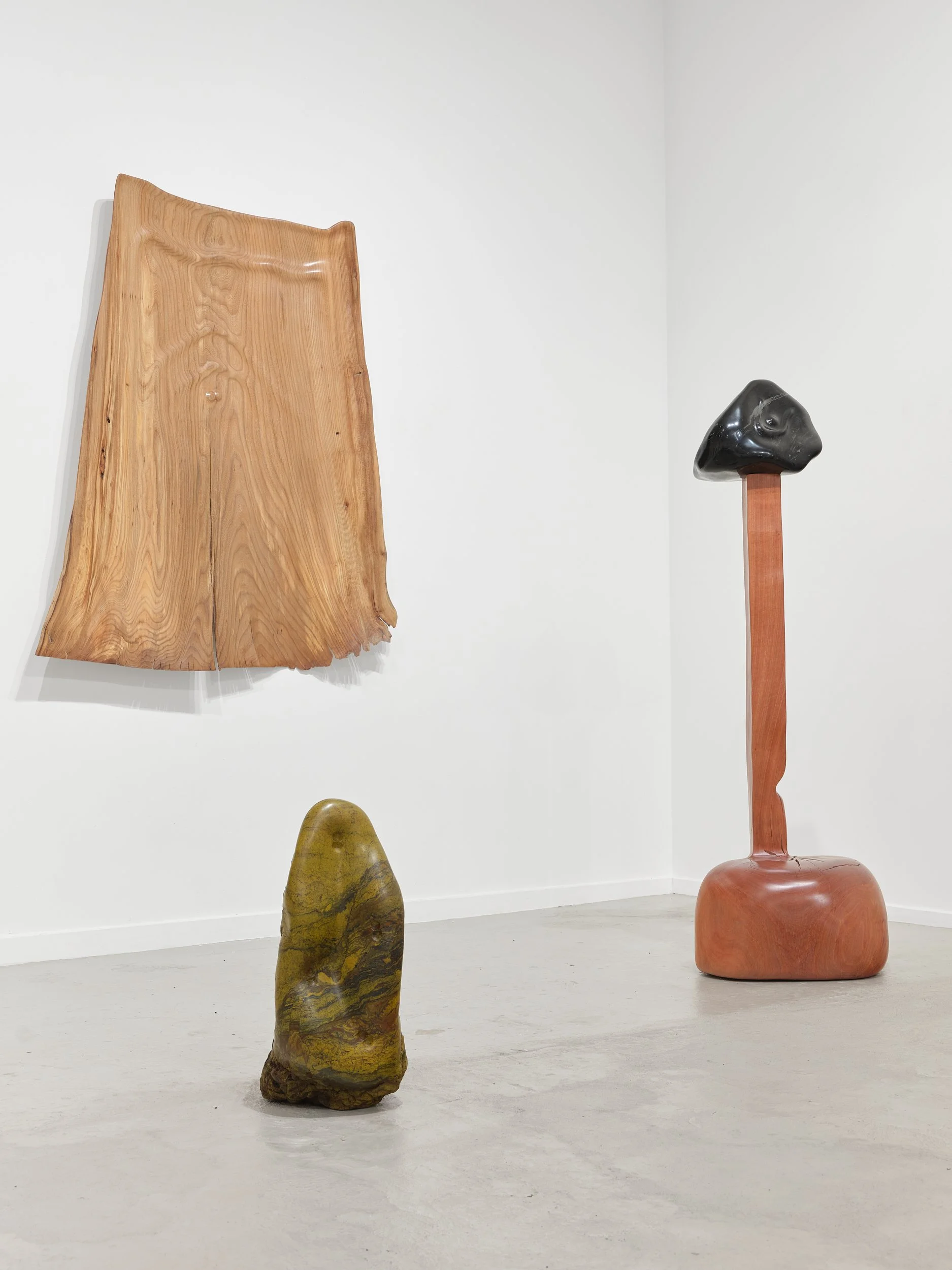
Blunk Space is pleased to present The Out There is Right Here, an exhibition of new works by Ian Collings in conversation with historic works by JB Blunk, Gordon Onslow Ford, and John Anderson. Collings sourced stone locally while staying and working at the Blunk House, Blunk’s handbuilt home and studio in Inverness, California. In the 1950s and ’60s, Blunk was part of a constellation of artists surrounding British Surrealist painter Gordon Onslow Ford on his property, the Bishop Pine Preserve. Though working across stone, wood, ceramic, and painting, these artists coalesced around intuitive mark-making, Eastern philosophy, and a deep integration with the land of West Marin. Drawing on this ethos, Collings has created five functional stone works, two stone and wood sculptures, and is debuting five sculptural wall-mounted wood works, alongside a selection of smaller stone objects. A selection of historic paintings by Blunk, Onslow Ford, and Anderson further grounds Collings’ new works in the material spirit of West Marin.
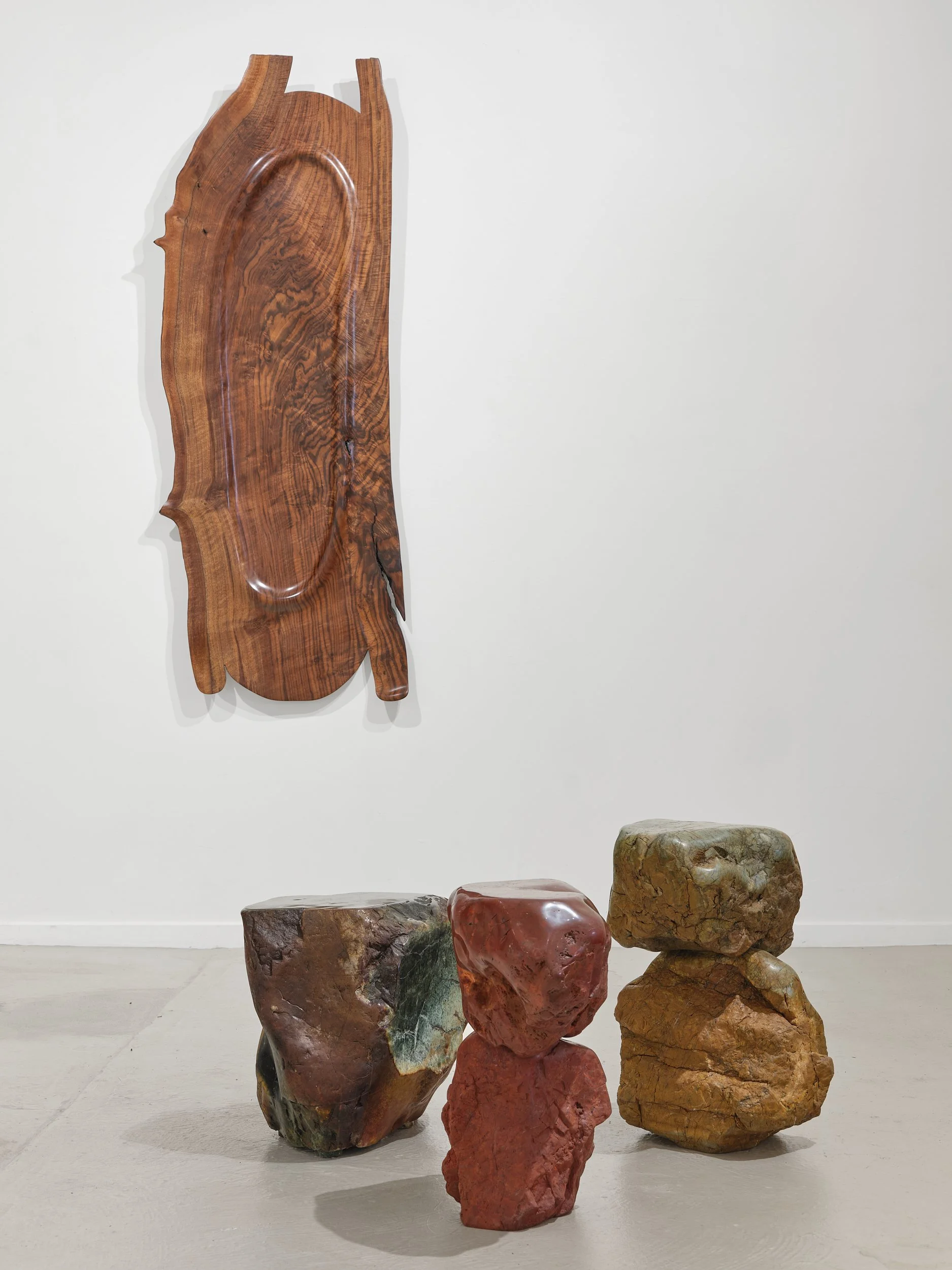
Now based in Ojai, California, Collings sculpts objects inspired by the landscape that ultimately could not exist without the material of that land itself: the veins and the natural hollows of the stone, the colors that must be revealed through human hands. For this exhibition, he sourced richly chromatic jasper stones from the same area where Blunk often dug his clay. Collings’ new functional works echo the stools and side tables Blunk made for the house, both in their scale and in playful references to the human figure. Whether functional or not, each object translates the fluid motion of the water used in stone-carving into the jasper or jade itself, its concentric ripples echoing the invisible ripples of heat, light, and sound that surround us. The result is a manifestation of the cosmos in the most terrestrial of forms.
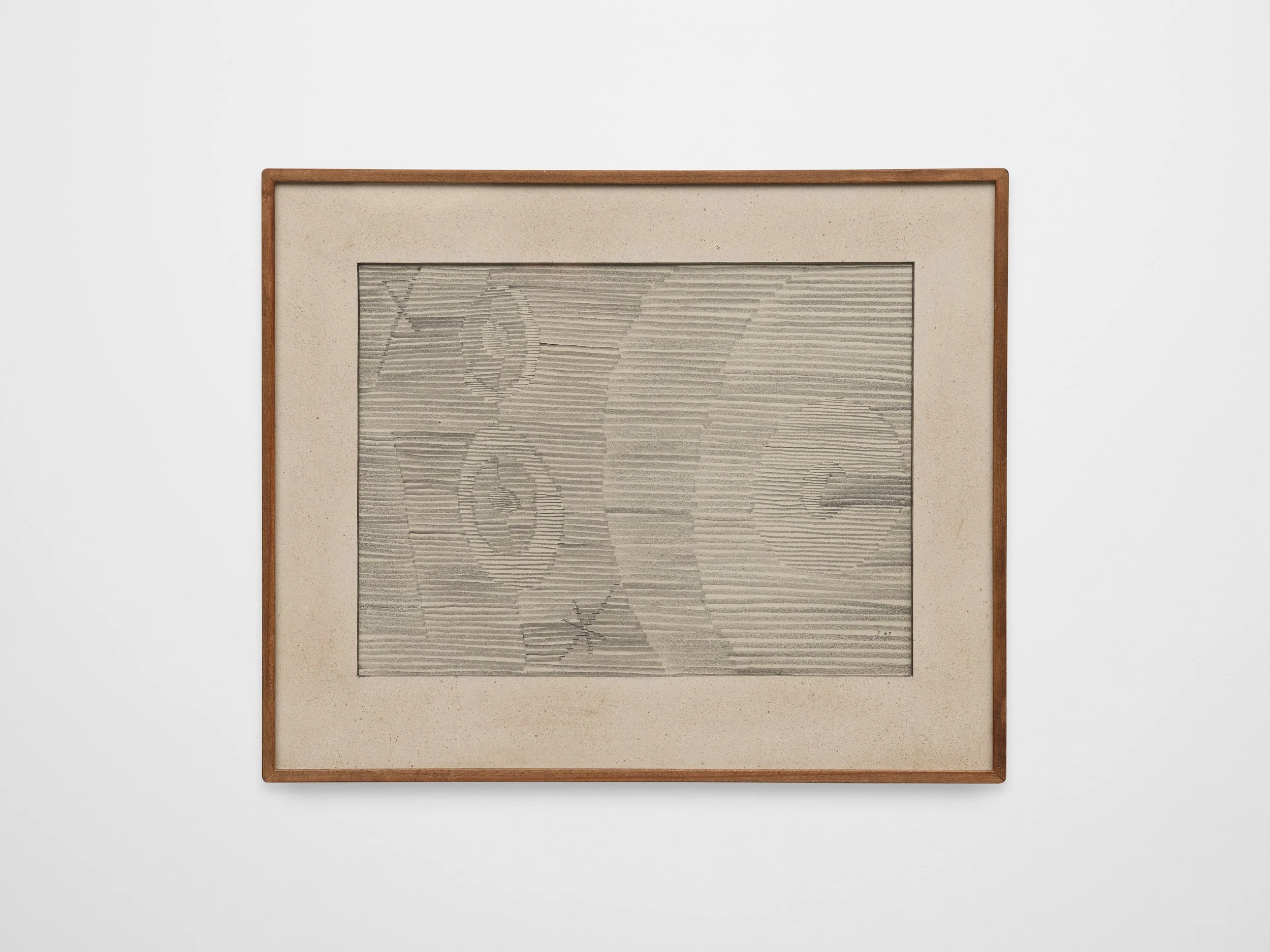
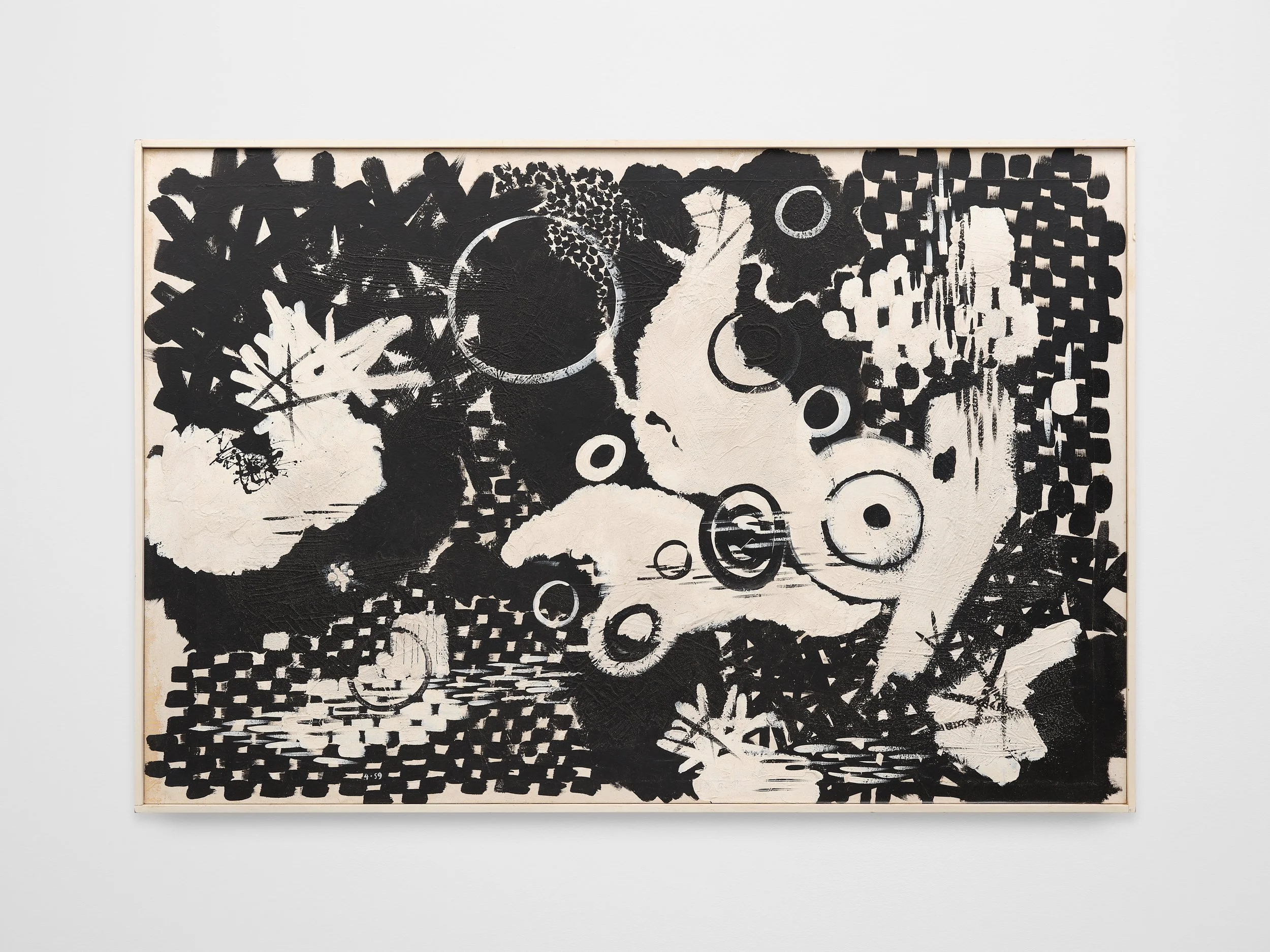
This translation of the cosmos was the ultimate goal of intuitive marking-making for the artists of the Bishop Pine Preserve. Onslow Ford and then Anderson, his longtime studio assistant, honed a restricted vocabulary of forms and a process of constant iteration that prevented self-conscious control, allowing the subconscious to take over. Onslow Ford’s 1959 painting Primordial Play (created the year Blunk began building his house on the Preserve), illustrates his strict system of lines, dots, and circles, which variously reflects the movement of the sun or the maelstrom of biology. Anderson’s restrained works on paper transmit cosmic meaning through the simple gesture of breaking a horizontal line. For Blunk and now Collings, intuitive making means allowing their materials to dictate form, engaging in conversation with the stone, following its veins, watching water reveal its brilliance, and giving that cascade enduring form. This way of working is inherently humbling: each artist is not a genius giving life to form, but rather a conduit and interpreter for the already-ancient cosmos and natural world, which are in turn reflections of each other. This stone has been coming together over eons, just as the flicker we see in the night sky is from a star that may no longer exist.
This way of working is inherently humbling: each artist is not the genius giving life to form, but rather a conduit and an interpreter for the already-ancient cosmos and natural world, which are in turn reflections of each other. This stone has been coming together over eons, just as the flicker we see in the night sky is from a star that may no longer exist.
The Bishop Pine Preserve no longer exists in its original form, but its imprint on the land endures. Living and working at the Blunk House, Collings metabolized his time there, making unique works in conversation with its previous inhabitants and with the art that carried their relationship with the land. The land, the cosmos, and humankind’s interior world are ever-changing, bringing forth fruitful new contradictions and syntheses, reminding us that what feels distant, “out there,” is always and already right here.

Ian Collings
Wooden wall hanging, 2026
Claro walnut
69 x 24 x 2 inches
175.3 x 61 x 5.1 cm
(IC–005)
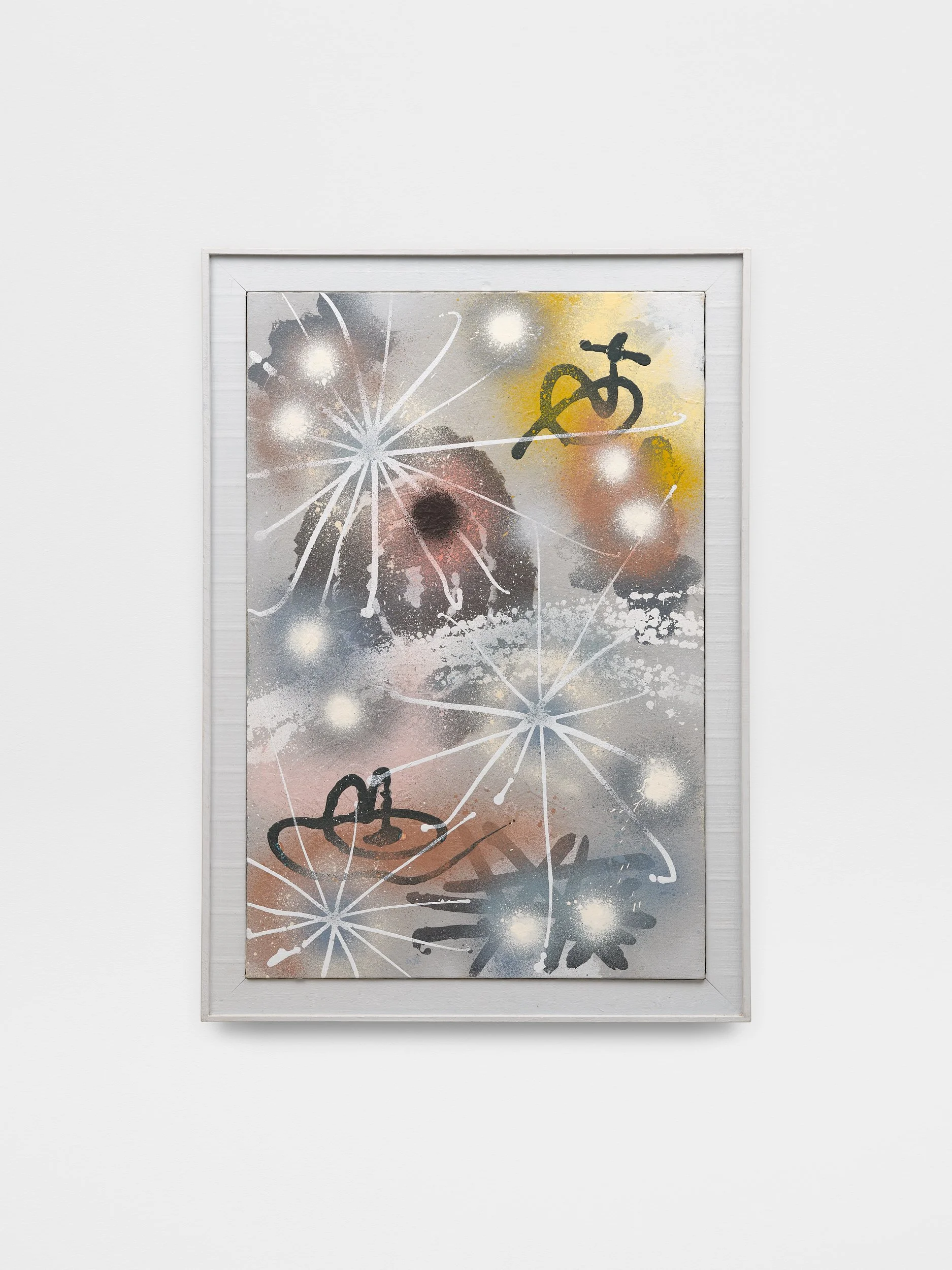
Gordon Onslow Ford
Voyagers, 1976
Acrylic on canvas in artist's frame
52 x 42 x 1 1/2 inches
132.1 x 106.7 x 3.8 cm
(GOF–006)

Ian Collings
Stone side table, 2026
Yellow and green jasper
19 1/2 x 12 1/2 x 12 inches
49.5 x 31.8 x 30.5 cm
(IC–001)
JB Blunk
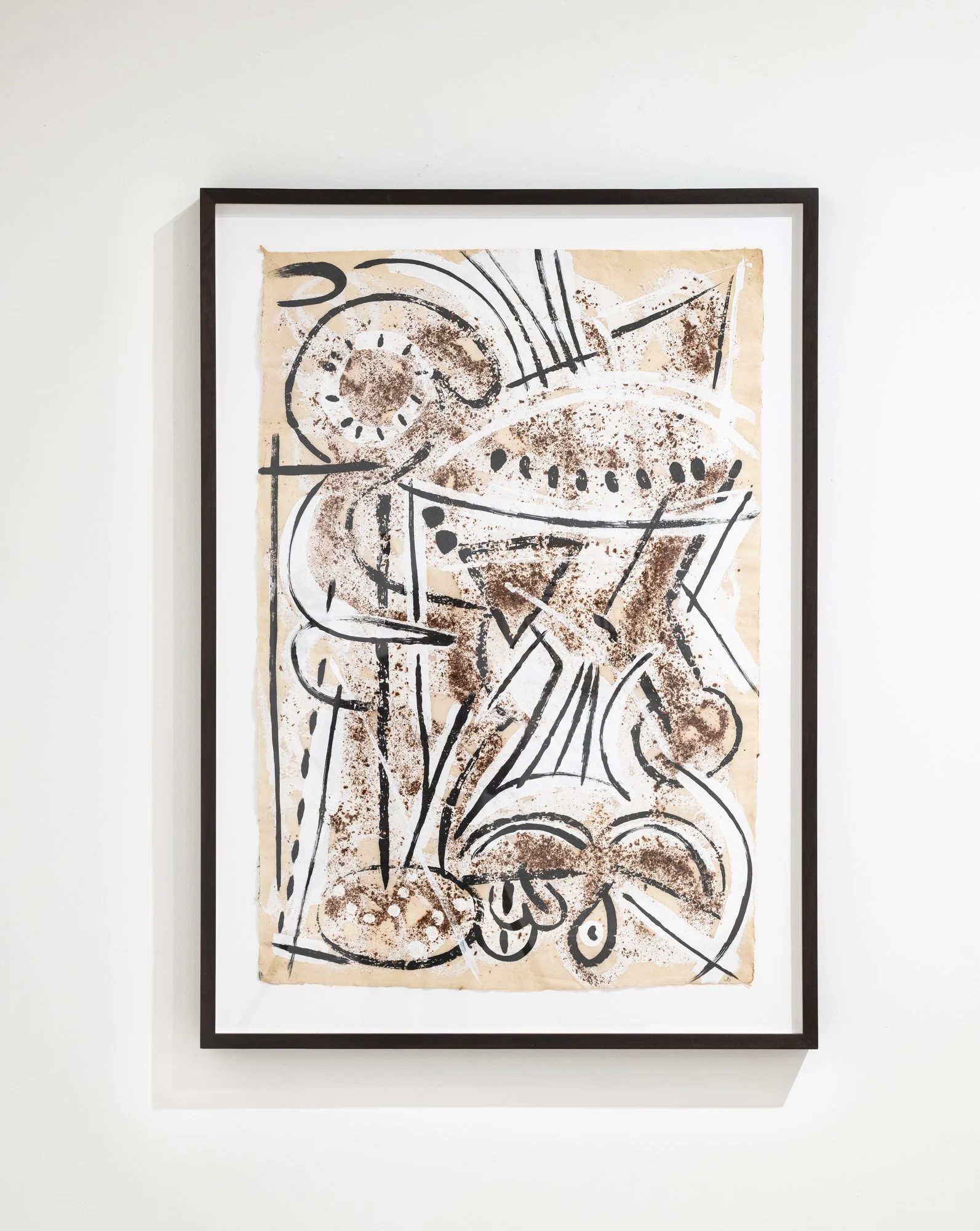
Untitled, c. 1970
Acrylic and sawdust on paper
24 1/2 x 36 1/2 inches
62.2 x 92.7 cm
(P–2336)
Gordon Onslow Ford
Primordial Play, 1959
Acrylic on panel with artist's frame
41 x 61 x 2 inches
104.1 x 154.9 x 5.1 cm
(GOF–004)
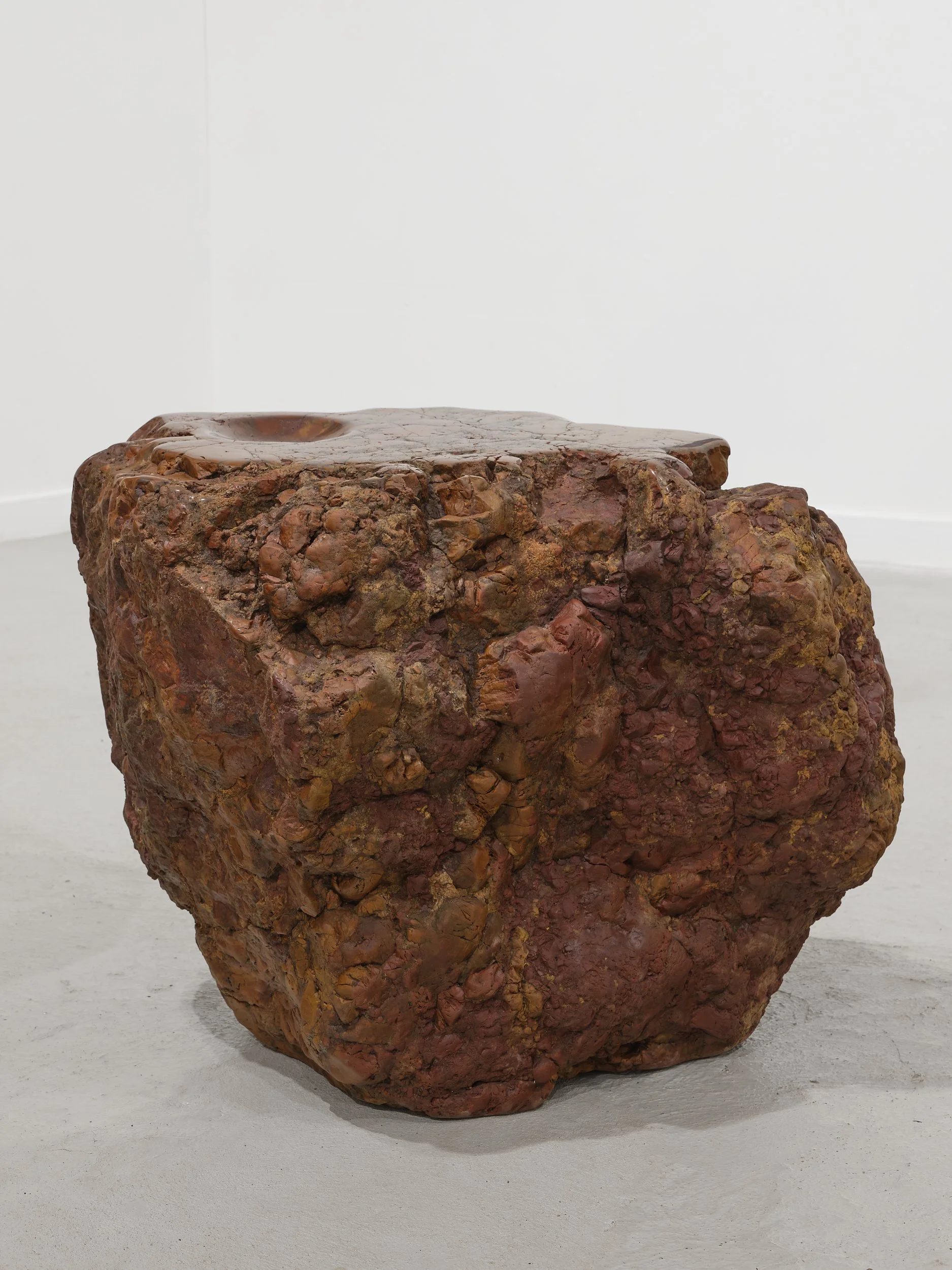

Ian Collings
Wooden wall hanging, 2026
Old-growth redwood
25 x 47 x 1 1/2 inches
63.5 x 119.4 x 3.8 cm
(IC–006)
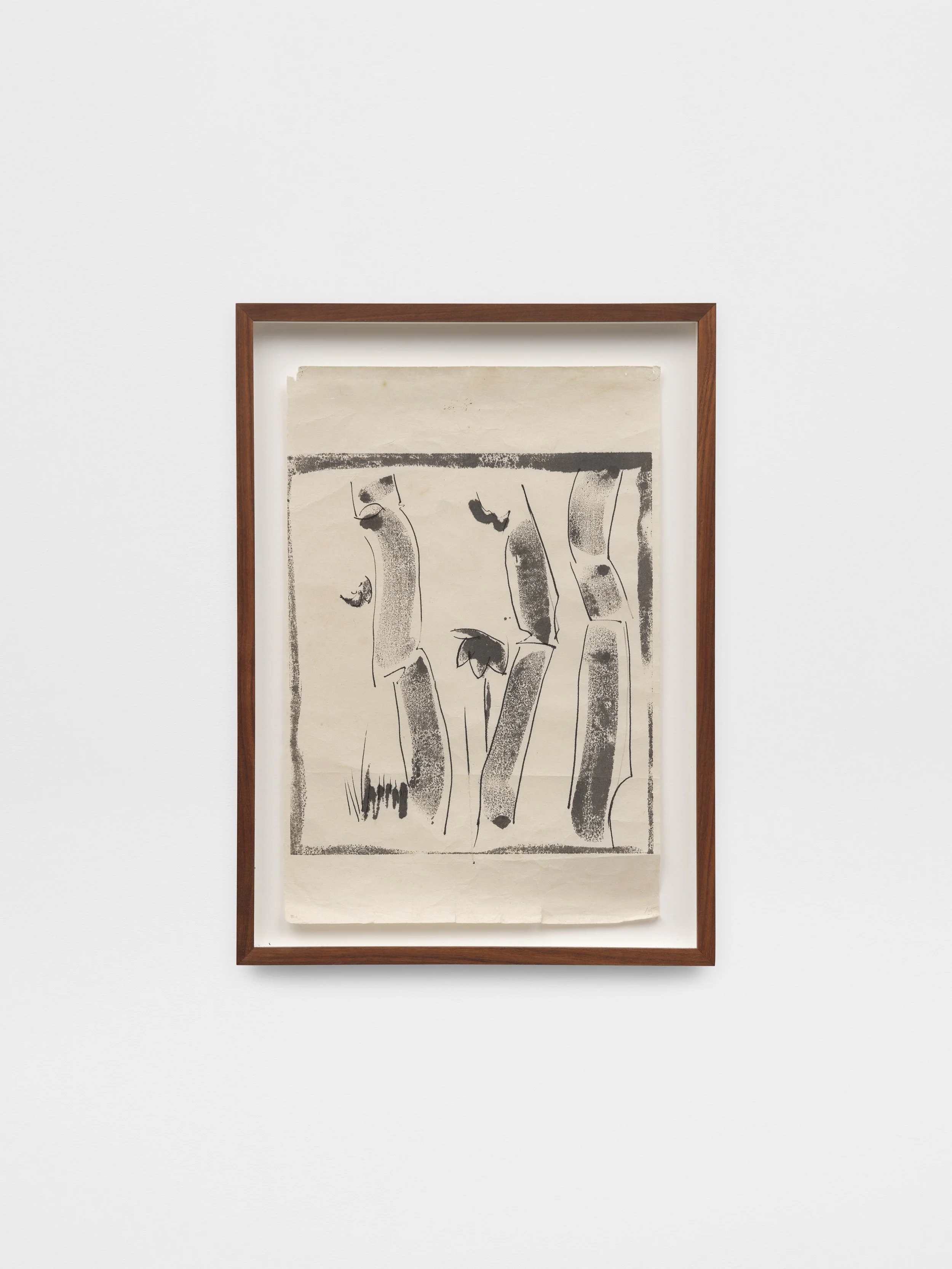
JB Blunk
Untitled, c. 1953
Ink on Japanese rice paper, walnut frame
Framed: 15 1/2 x 10 1/2 inches
39.4 x 26.7 cm
(P–2340)
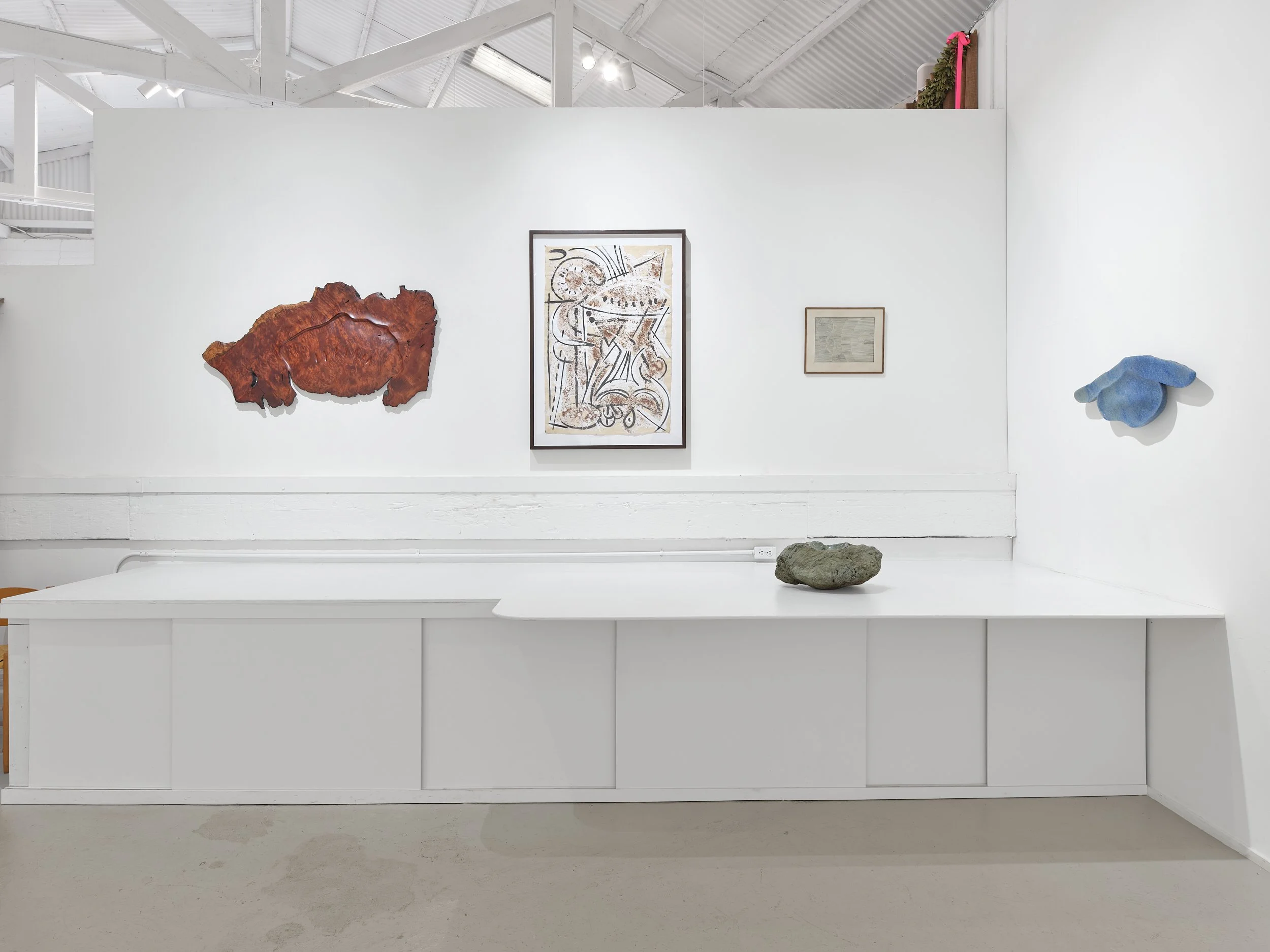

Ian Collings
Stone object, 2026
Yellow jasper and wood
22 1/2 x 16 x 9 1/2 inches
57.1 x 40.6 x 24.1 cm
(IC–004)
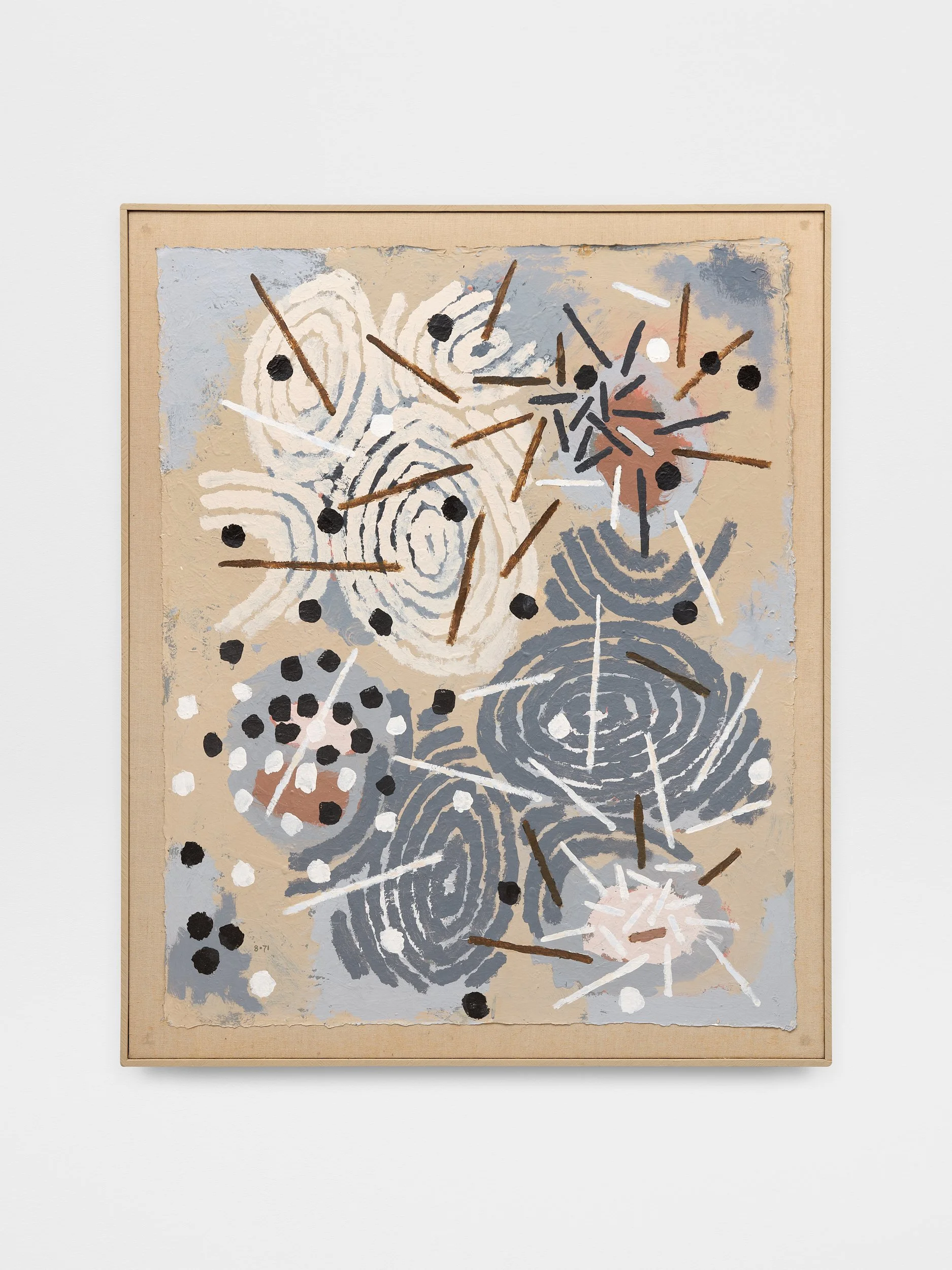
Gordon Onslow Ford
Space Study, 1971
Acrylic on paper laid on canvas in artist's frame
53 x 43 x 1 1/2 inches
134.6 x 109.2 x 3.8 cm
(GOF–005)
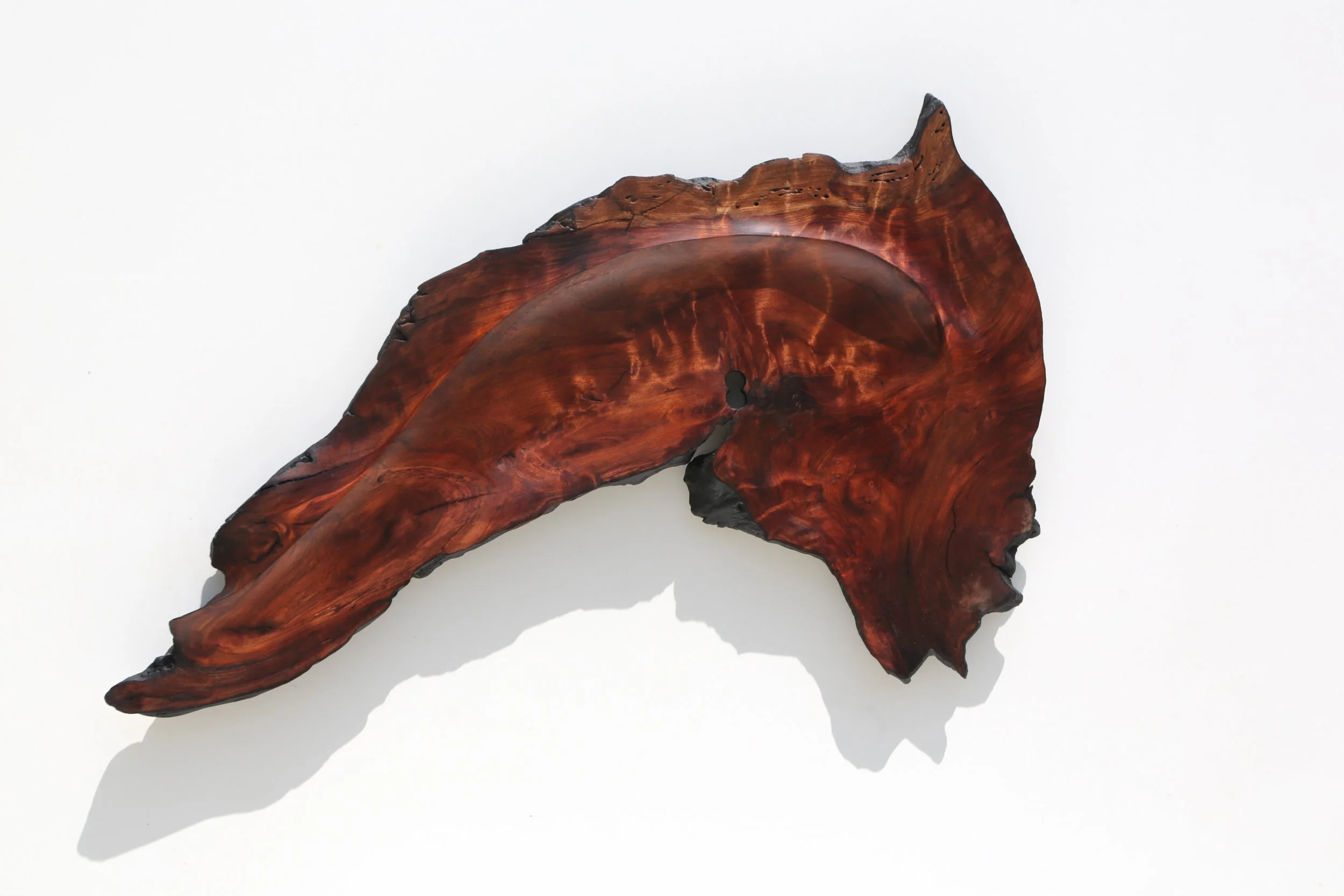
Ian Collings
Wooden wall hanging, 2026
Old-growth redwood
29 x 29 x 2 inches
73.7 x 73.7 x 5.1 cm
(IC–010)
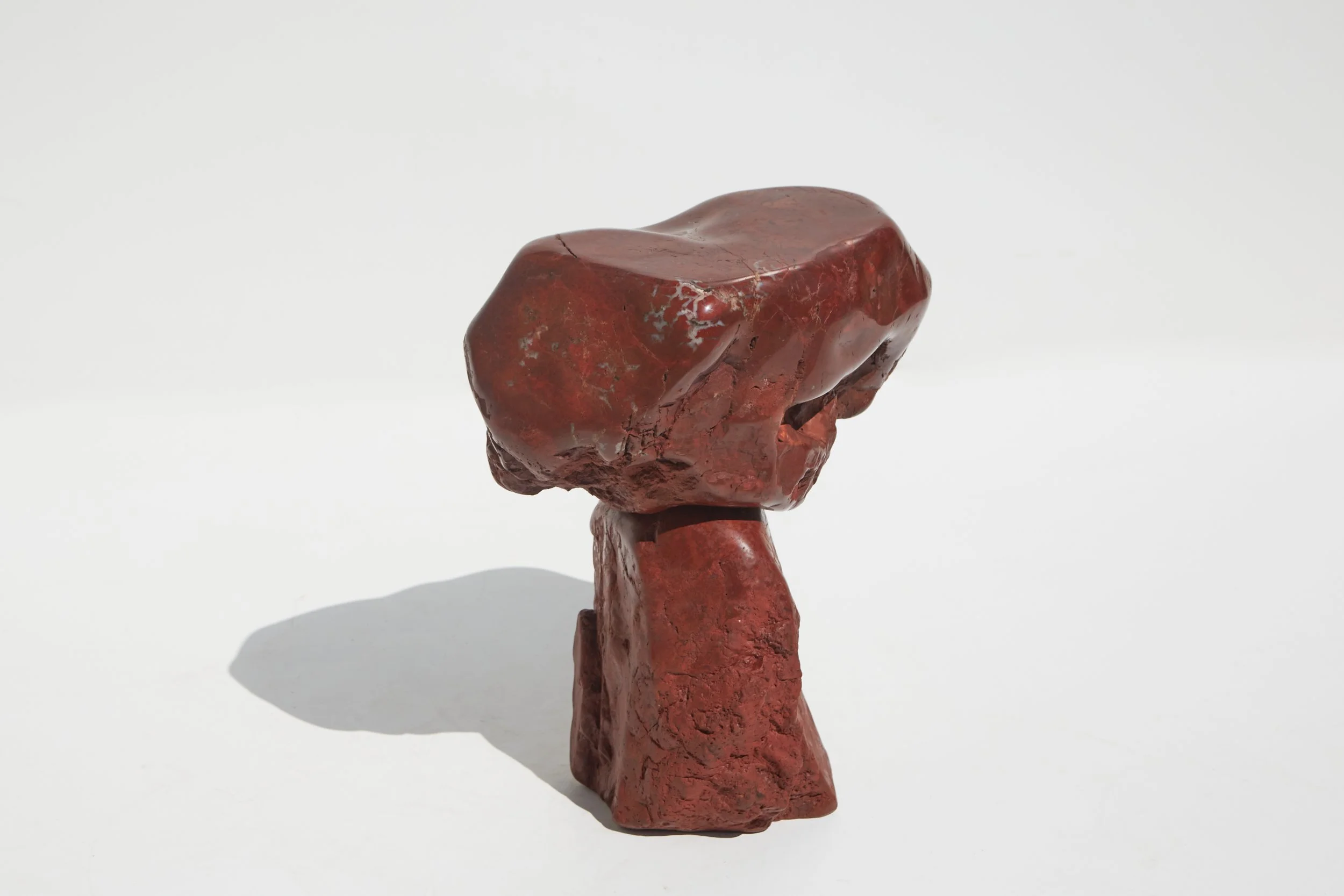
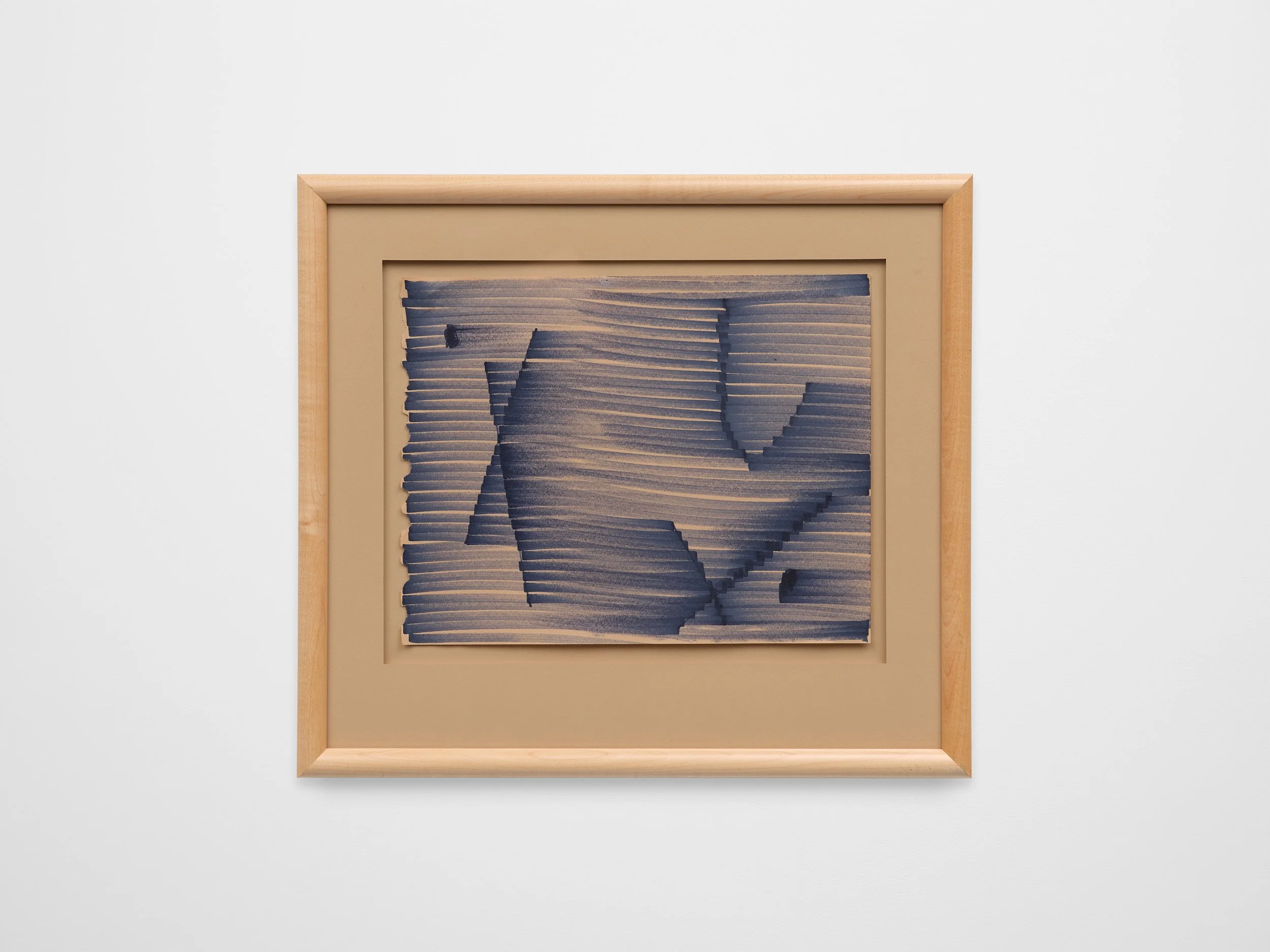

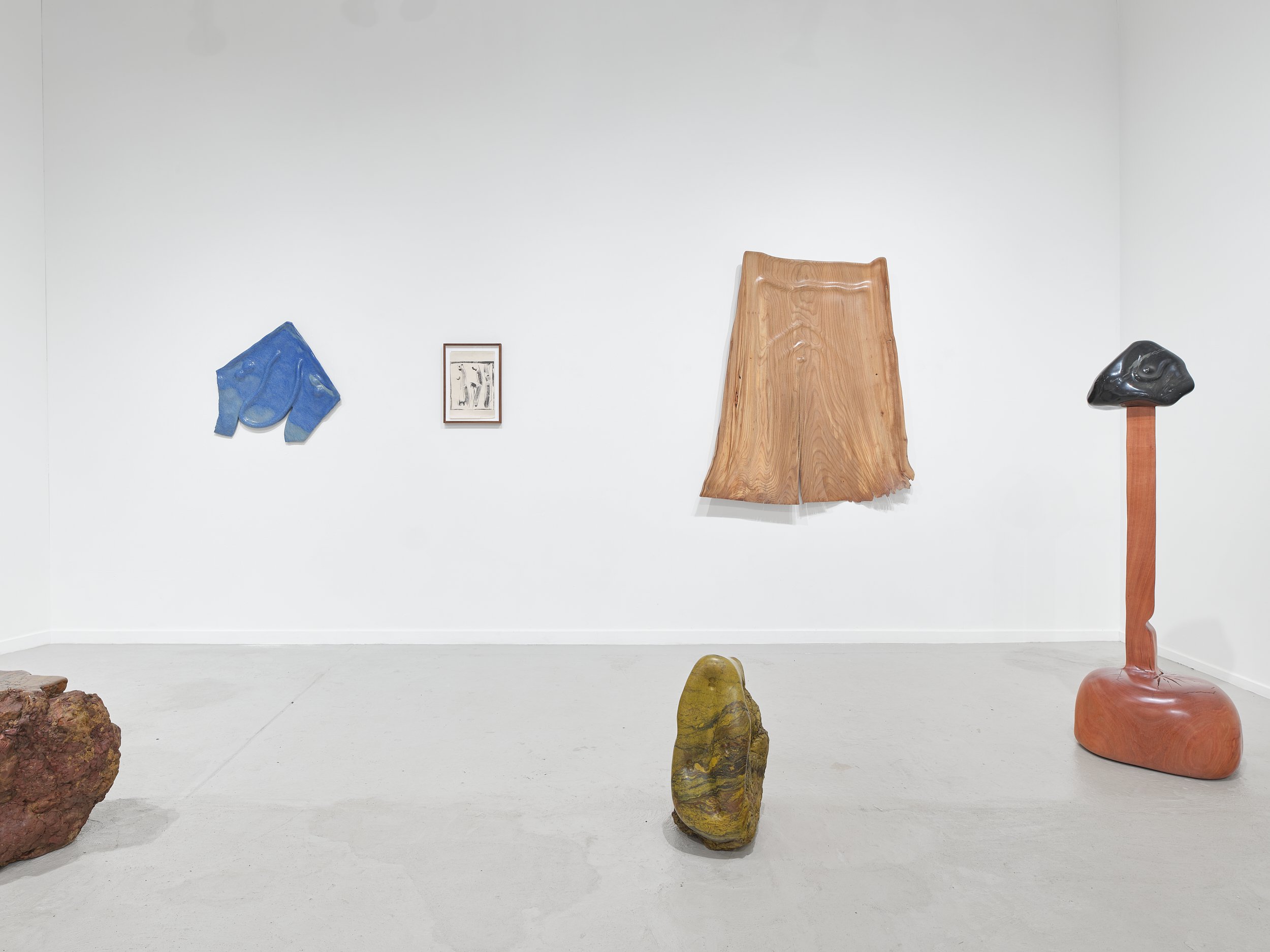
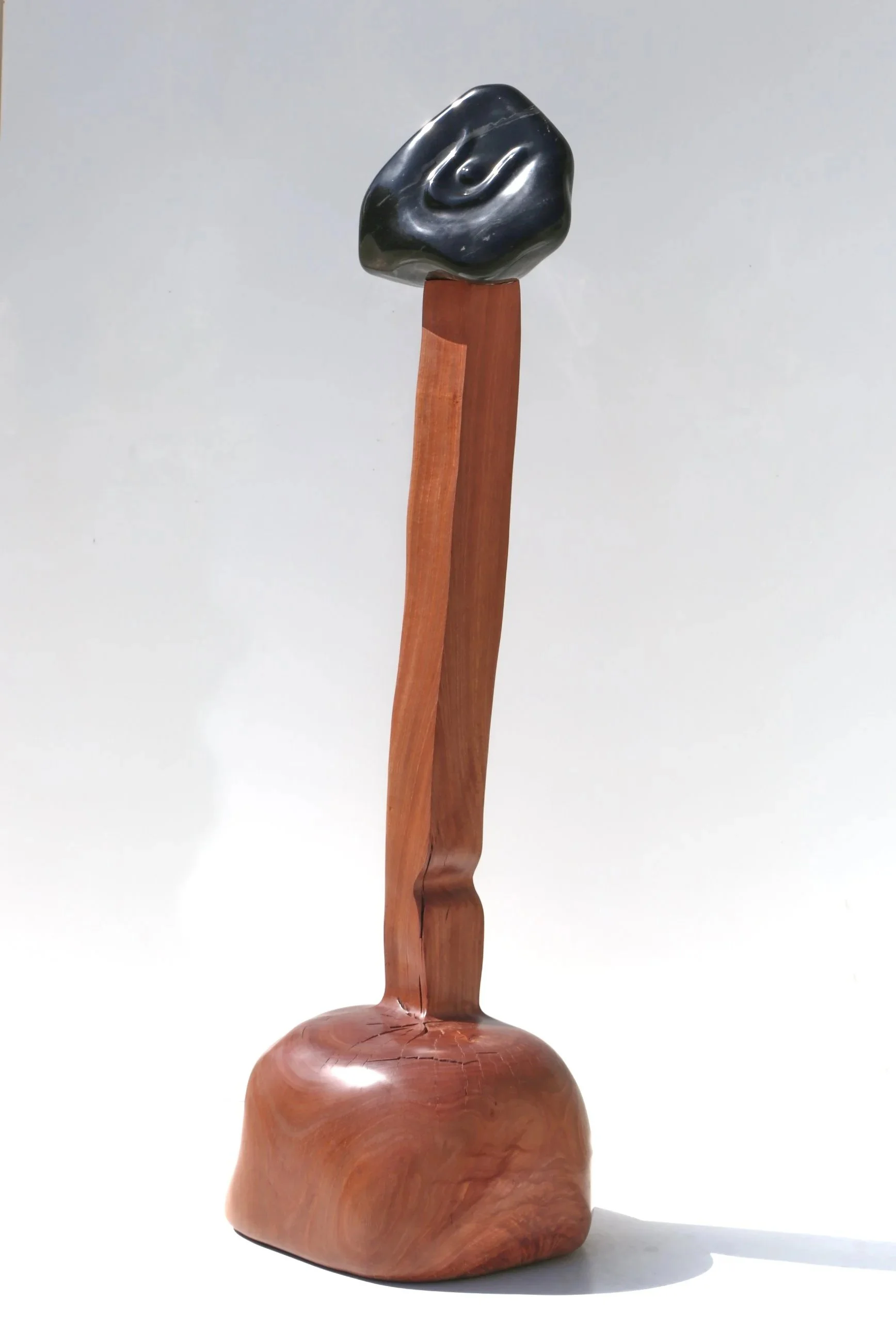
Ian Collings
Stone object, 2026
Obsidian, red gum
63 x 18 x 15 inches
160 x 45.7 x 38.1 cm
(IC–016)